How CDR works
Traditional defenses all try to recognize the threat.
Antivirus matches signatures of known malware. Sandboxing watches behavior.Both break against a zero-day, an exploit unknown to the vendor, with no signature and no tell.
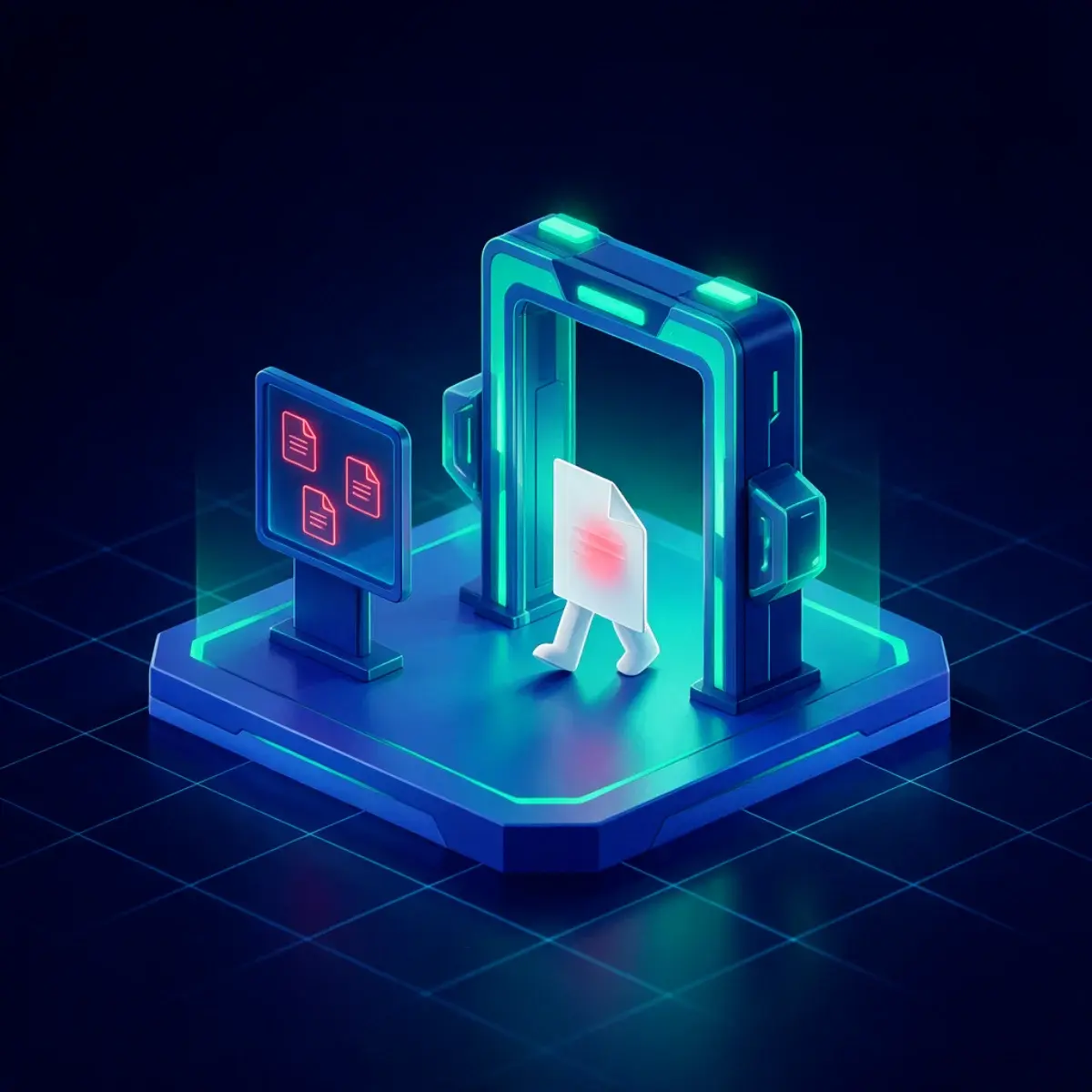
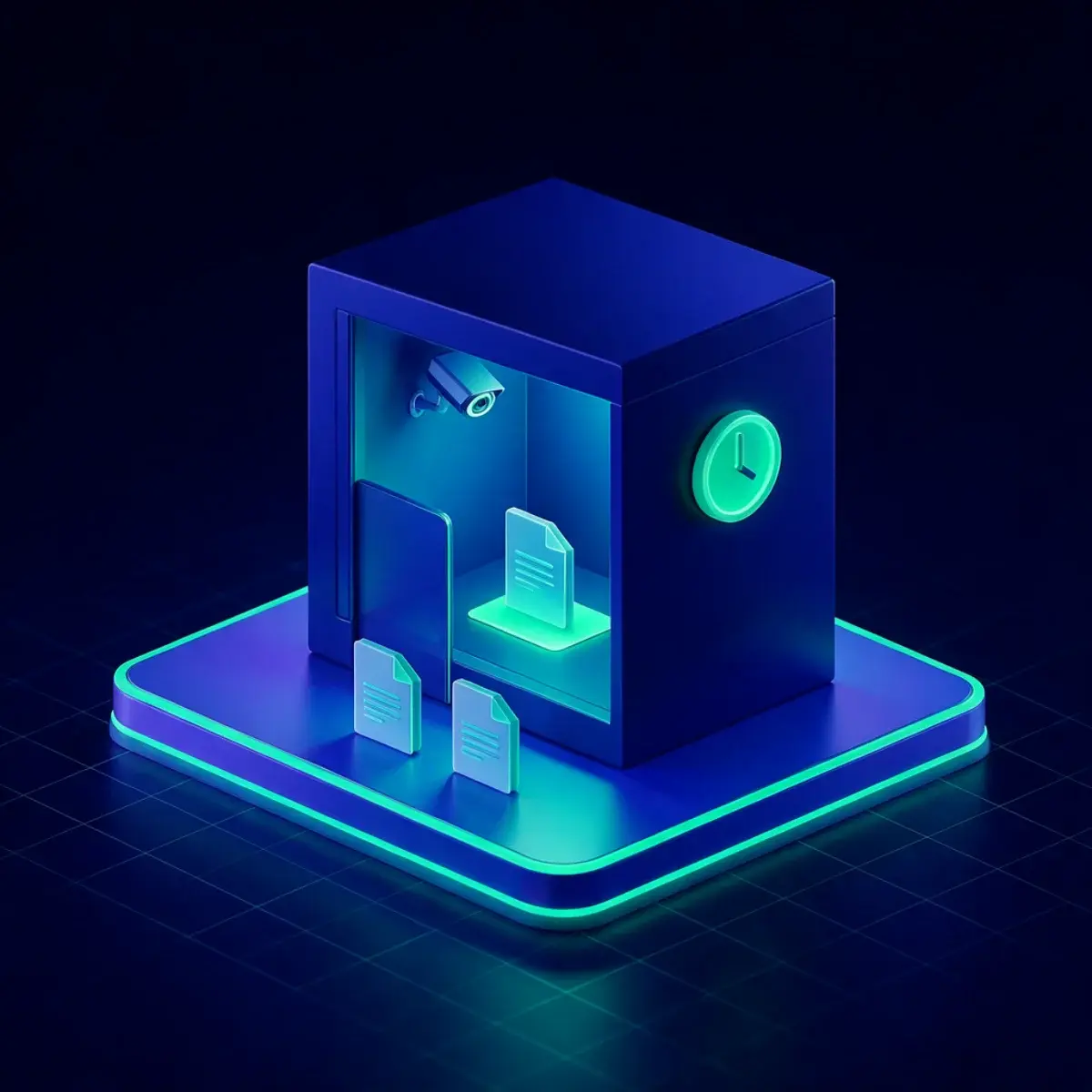
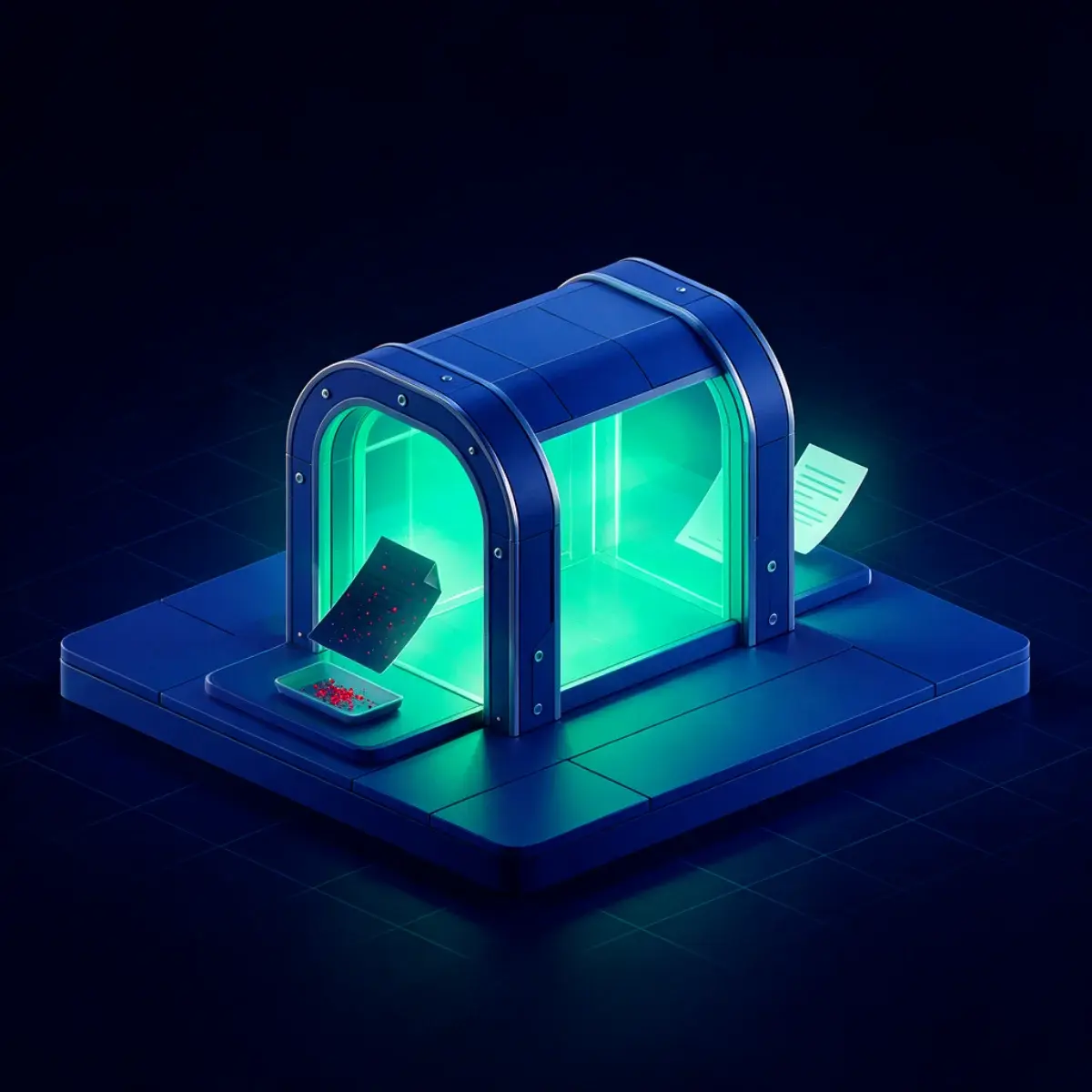
A simple analogy · Three ways to secure the same gate
Why klearis
Protection that does not slow work down.
 ZERO-DAY Unknown threats removed Active content is removed whether a threat is known or not.
 NO SIGNATURES Prevention without detection Every file is rebuilt, so protection does not depend on recognizing the threat.
 POLICY Configurable per team Policies follow your organization: by user group, by integration, by file format.
 DEPLOYMENT On-premise and air-gapped Runs on infrastructure you own, with no cloud dependency.
 SPEED Sub-second processing Files are rebuilt in line, with no quarantine queue to wait on.
 FIDELITY Files that still work Rebuilt files are visually and functionally identical to the originals.
 INTEGRATION Connects where files arrive REST API, ICAP, Mail Gateway, Server Agent and more, managed from one Web UI.
 FILE TYPES Broad file coverage Office, PDF, image, video and audio, archive, text and mail formats, including nested archives.